


Categories
Brands
Features
Top Rated
Our Showroom
Categories
Brands
Features
Top Rated
Our Showroom
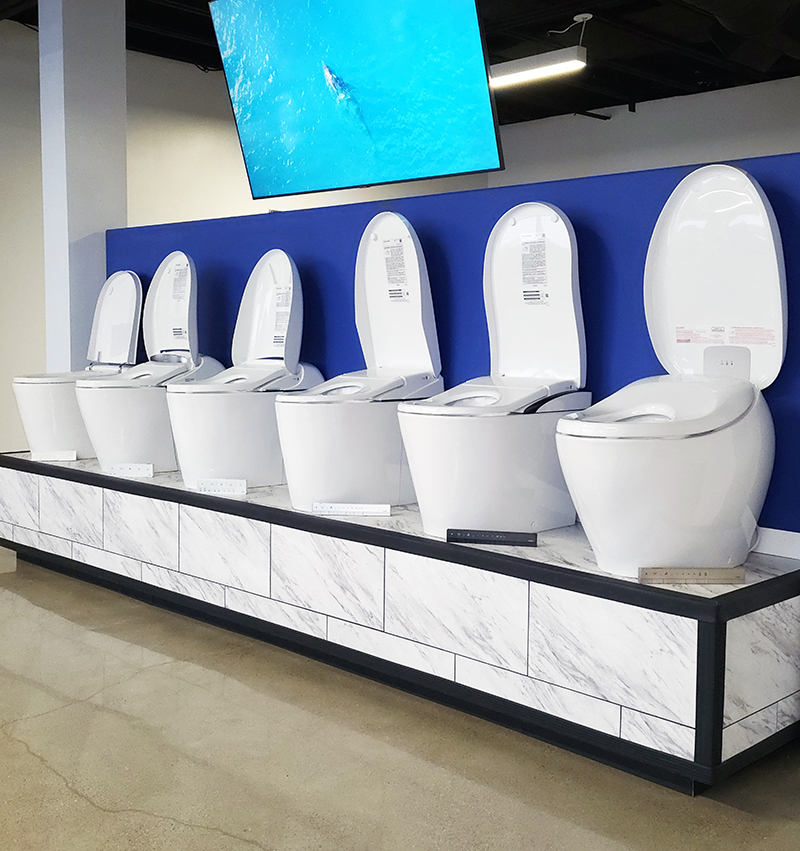
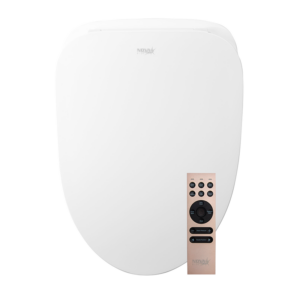


TOTO Neorest integrated units are the best of the best when it comes to bidet toilets. The RS combines the Neorest line’s sleek good looks, top-quality materials and robust customization options with a more accessible price point. But is it difficult to install? Many Bidets owner and founder Daniel Johnson walks you through the process so you can see how simple it is to add this luxurious upgrade to your bathroom.
Video Chapters:
00:00 – Introduction
00:27 – Tools
00:38 – Water supply
00:55 – Step 1: Prepare floor
01:46 – Step 2: Install flange adapter
04:59 – Step 3: Install toilet base
06:02 – Step 4: Place and secure top section
07:06 – Step 5: Connect electrical and water
09:04 – Step 6: Set up remote and test the RS
The TOTO Neorest RS includes all the parts required for installation, but you’ll need to have a few tools on hand:
If you purchase your Neorest RS from us, it’ll come with a standard wax ring. If you’d rather use a Better Than Wax toilet seal like the one we use in our installation video, you’ll need to purchase it separately. The Better Than Wax toilet seals include toilet bolts, so if you’re using a different type of wax ring, make sure your existing bolts are in good condition or buy replacement bolts at your local hardware store.
Pro Tip: We’re drilling into wood for our install, so a standard 3/16” drill bit is perfect for the job. If your install requires drilling into concrete or tile, you’ll need a larger drill bit so you can use the anchors included with the RS. You may also need a specialized bit made for concrete or tile.
TOTO Neorest toilets come with a proprietary water shutoff valve that needs to be set up before you get started with the rest of the install. You’ll need a ½” female NPT connection in the wall so you can install the shutoff valve that comes with the RS. We highly recommend having a licensed plumber handle this step – whether you take it from there or have them do the rest of the install while they’re there is up to you!
If you want the water supply to be hidden behind the toilet, it should be installed about 4 ½” off center and about 6 ⅞” off the floor. The distance from the floor has a little more wiggle room, but you’ll want to be pretty spot-on with the 4 ½” horizontal distance.
Once the water supply is good to go, you can start installing your RS!
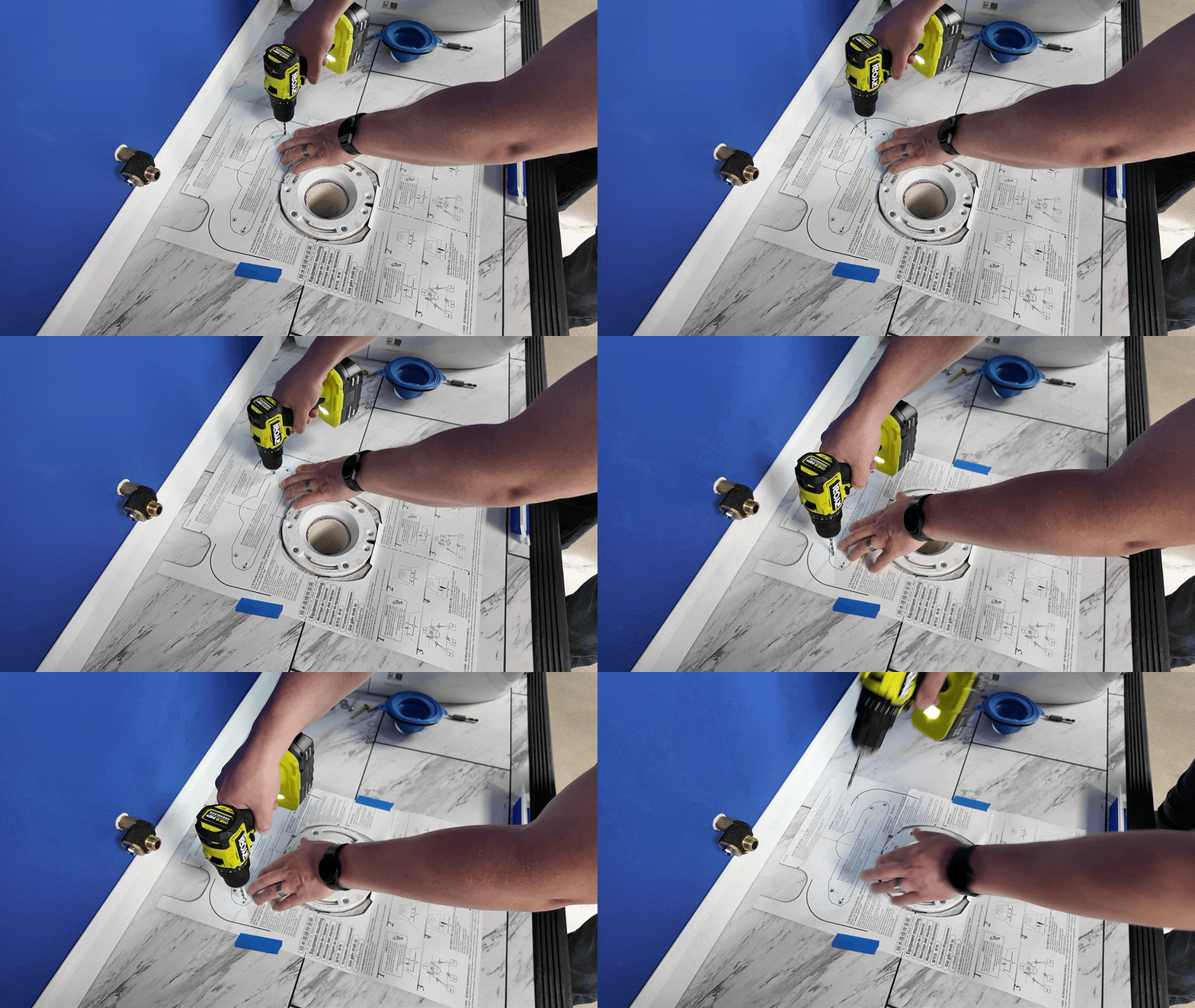
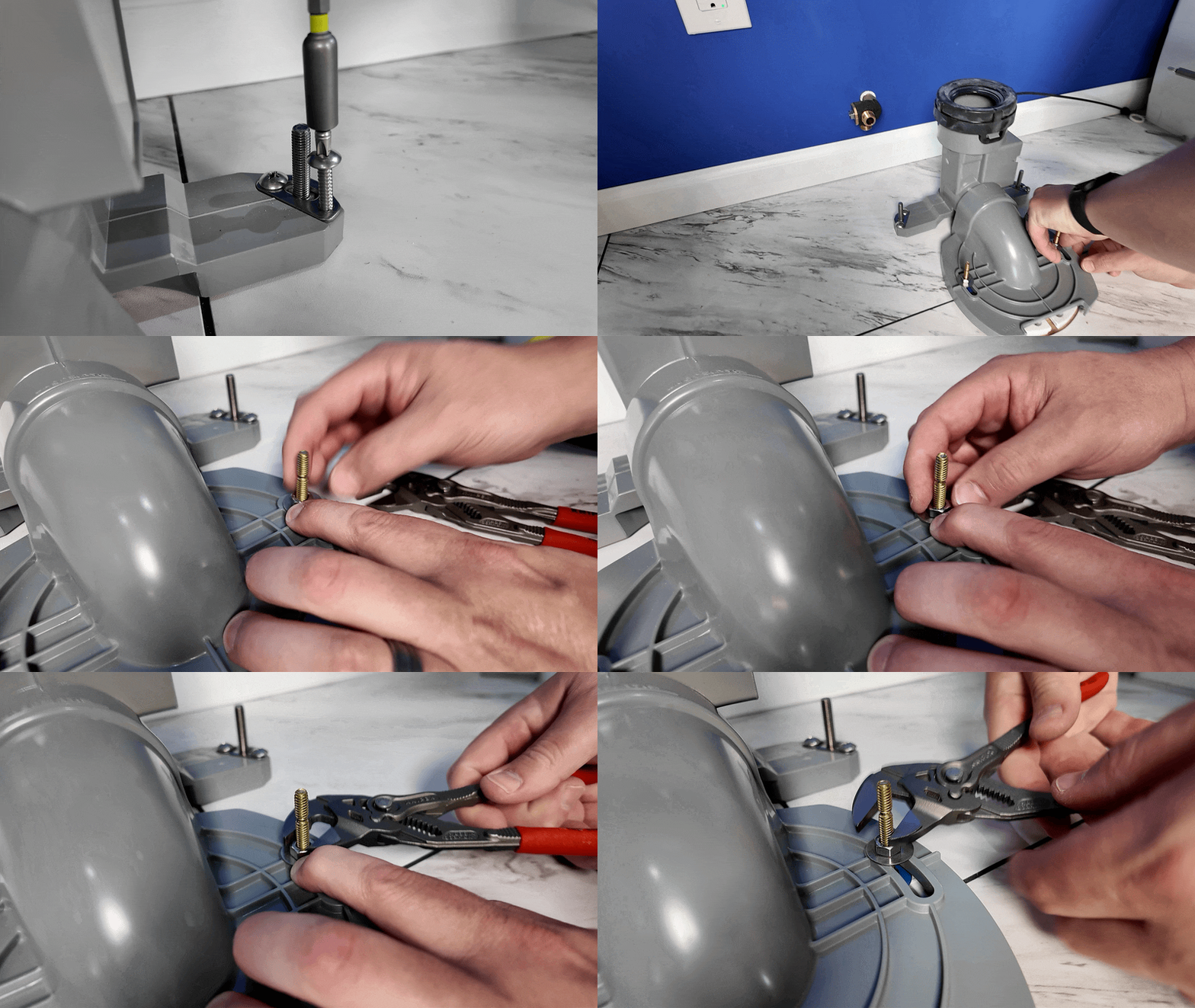
Pro Tip: If you choose to use a drill instead of handheld screwdrivers throughout this installation, start with the torque set very low and slowly increase as needed so you don’t crack or damage any of the parts.
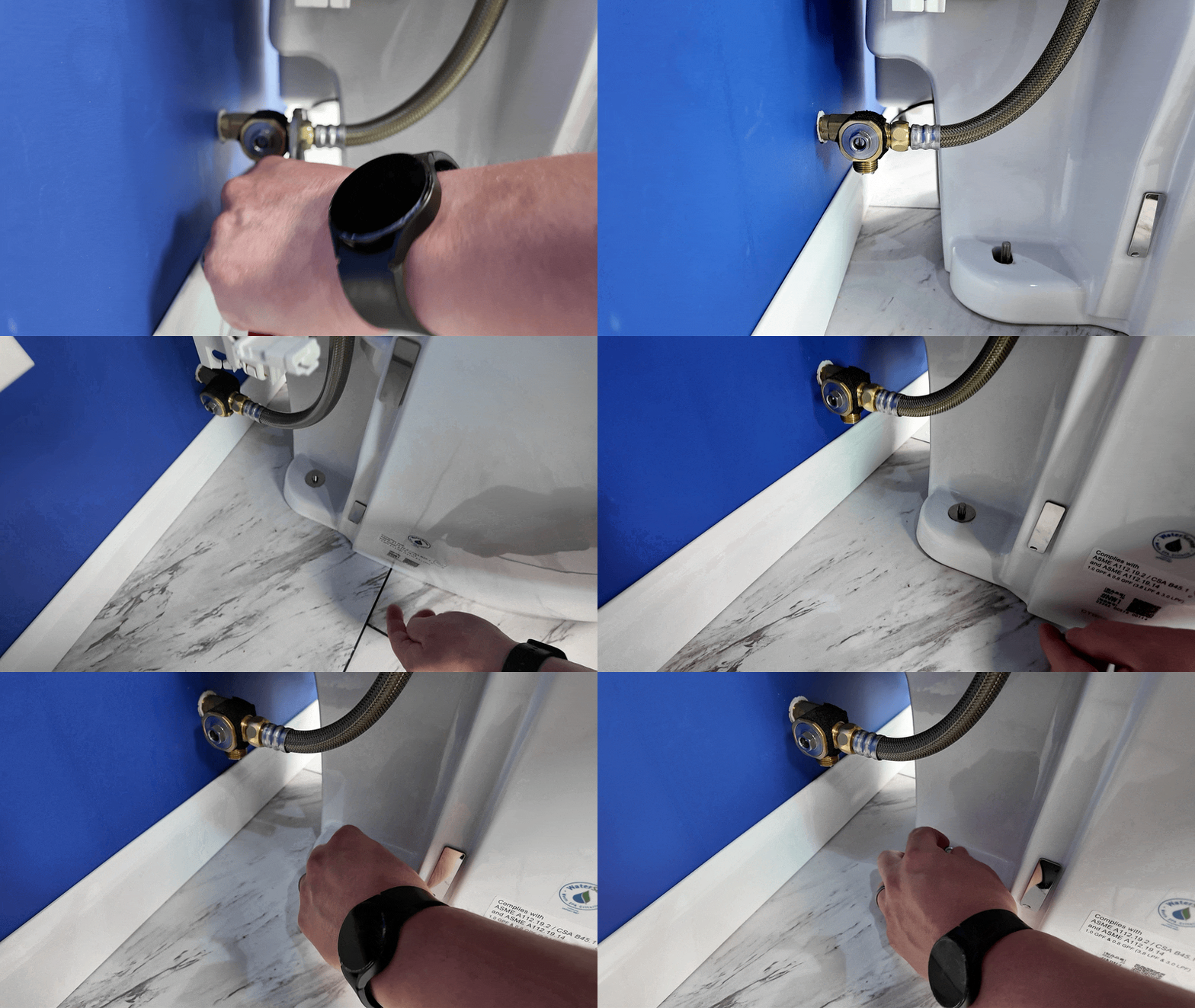
Pro Tip: If you have someone available to lend a helping hand, now is a great time to ask for an assist in lifting the toilet base onto the flange adapter!
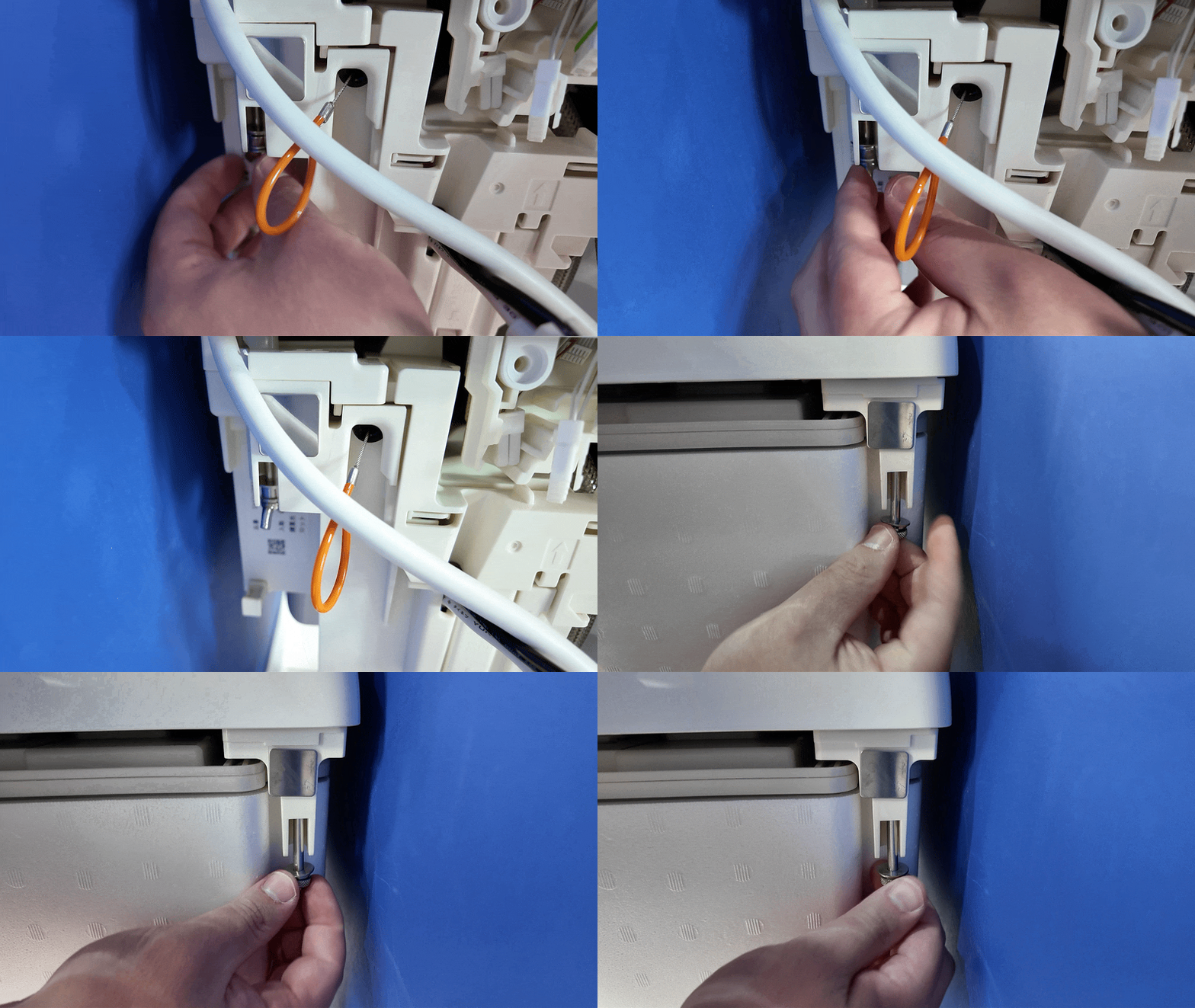
Pro Tip: The bolts at the back of the top of the toilet are designed to have some give. This is so you can lift the top of the toilet for easy cleaning using the button on the left side. Just push the top down so it clips back into place when you’re done!
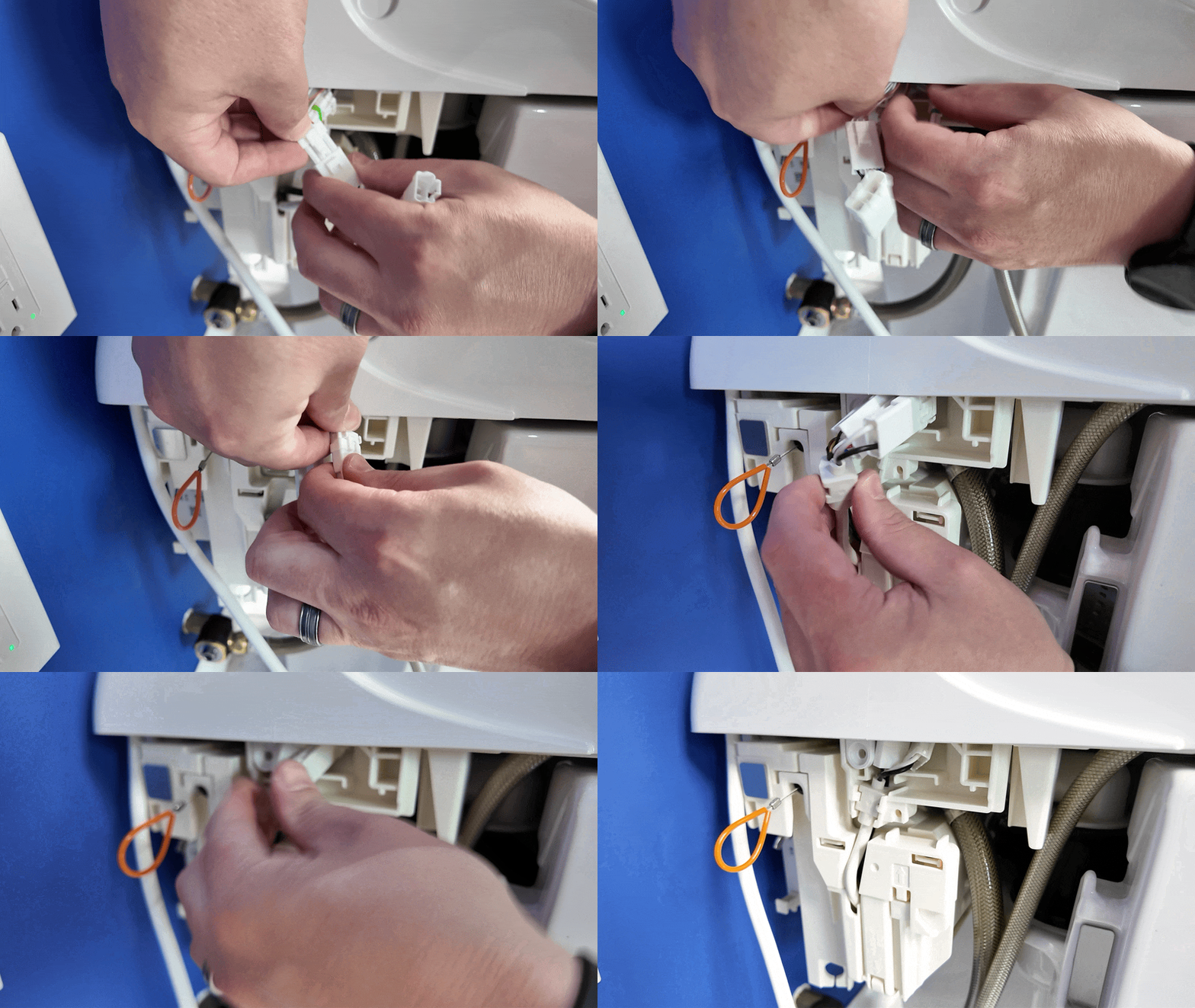
Pro Tip: The electrical connections are all unique, so you don’t have to worry about plugging them into the wrong place.
Pro Tip: The water connections are designed to attach to specific ends of the shutoff valves. If they’re connected to the wrong ends, you’ll have lots of leaks!
If the wash runs properly, you’re ready to enjoy your new premium bidet experience!
Feeling a little overwhelmed by the install process? Or maybe you want to tackle the install yourself but haven’t gotten your Neorest RS yet? Our expert team is just a click or call away to answer your questions and get you up and running with your own RS.

Meghan Oliver is a writer and content manager with Many Bidets. Her work has appeared in Nonprofit World magazine and on Psych Central, but she specializes in behind-the-scenes content for small businesses and nonprofit organizations. Meghan is passionate about conservation, creatures of all kinds and the Oxford comma. When she's not writing, she's probably at the barn, on a hiking trail, in her native garden bothering the pollinators(,) or curled up with a book and a cat.
Not sure where to start? Our quiz makes it easy to find the bidet of your dreams.
Get your recommendation now!
Many Bidets’ Privacy Notice
This privacy notice discloses the privacy practices for ManyBidets.com. This privacy notice applies solely to information collected by this website.
We will use your information to respond to you, regarding the reason you contacted us. We will not share your information with any third party outside of our organization, other than as necessary to fulfill your request, e.g. to ship an order.
Unless you ask us not to, we may contact you via email in the future to tell you about specials, new products or services, or changes to this privacy policy.
Your Access to and Control Over Information
You may opt out of any future contacts from us at any time. You can do the following at any time by contacting us via the email address or phone number given on our website.
Security
We take precautions to protect your information. When you submit sensitive information via the website, your information is protected both online and offline.
Wherever we collect sensitive information (such as credit card data), that information is encrypted and transmitted to us in a secure way. You can verify this by looking for a lock icon in the address bar and looking for “https” at the beginning of the address of the Web page.