


Categories
Brands
Features
Top Rated
Our Showroom
Categories
Brands
Features
Top Rated


Our Showroom


If you’ve ever had a urinary tract infection (aka UTI), chances are you’ll do just about anything to avoid suffering through another one. And these bacterial banes aren’t just painful – if they move into your kidneys, they can be deadly! Many people plagued by chronic UTIs turn to bidets in search of relief. But what’s the relationship between a bidet and UTI? How can you use a bidet without getting a UTI? Let’s take a look at what the science – and our decade-plus of helping customers navigate health challenges – has to say on the matter.
Let’s start with the basics: What exactly is a UTI?
A UTI is a bacterial infection of – you guessed it – the urinary tract. Bacteria enter the urethra and get a foothold in the bladder, leading to inflammation and pain. One or more parts of the urinary tract – which includes the urethra, ureters, bladder and kidneys – may be affected by the infection. The usual culprit is escherichia coli (E. coli), a bacterium often found in the gastrointestinal tract.

Symptoms range from uncomfortable – frequent burning urination, cloudy or smelly pee and pain in the lower back, pelvis or abdomen – to more serious, like fever, chills, vomiting, bloody urine and severe infections. While some minor UTIs clear up on their own with home treatment, in most cases you’ll need a round of antibiotics to prevent complications.
UTIs are super common, with 8 to 10 million people seeking treatment each year. And your odds of getting one skyrocket if you’re assigned female at birth (AFAB). Not only are those AFAB upwards of four times more likely to get a UTI – at least 40 percent (and some sources say closer to 50 percent) will get one at some point in their lives. What’s more, about a quarter of individuals AFAB who have one UTI will get another (and potentially another, and another). Other risk factors include sexual activity, hormonal changes and catheter use.
So where do bidets come in? Are they a friend or foe for UTI sufferers?
A handful of studies have looked at the relationship between bidet use and UTIs. To date, there’s been no conclusive evidence that bidets cause UTIs. One of the largest studies found that the link between bidets and UTIs probably stems from reverse causation. Let’s break that down: People who get a lot of UTIs often turn to bidets to find relief. This means that a higher number of people who use bidets also get UTIs. But it doesn’t mean that they get UTIs because they use bidets.
Not quite convinced? Bidet expert and Many Bidets owner Daniel Johnson sheds some light on bidet spray basics:
“When water hits the intended target, it falls almost straight down. There’s no cross-contamination.”
In other words, when you run a rear (or posterior) wash to clean up after a bowel movement, it’s unlikely that any bacteria or mess will make its way to the urethra. In fact, you have a greater chance of spreading bacteria around if you wipe with toilet paper – especially if you leave residue behind.
But what about the front wash? Are bidets sanitary for females or those AFAB? As long as you’re cleaning up behind first and don’t direct the spray directly into your vagina or urethra, the “feminine” wash offers a safe way to clean up (unlike wipes and cleansing products, which have been linked to an increase in UTIs).
Bottom line: Can you get a UTI from using a bidet? If you’re using it properly, probably not. In fact, your bidet might even be a great tool for combating UTIs.
It’s just sound logic: UTIs are caused by bacteria that often comes from the GI tract. Bidets thoroughly wash away fecal matter and bacteria. The upshot? There are fewer infection-causing bacteria left behind than with traditional wiping – so there’s less chance of microbes making their way into your urinary tract. Plus, you’re less likely to wind up with something nasty on your hands or under your fingernails that you might then spread to other areas.
“When you wipe with toilet paper, you’re spreading or smearing harmful bacteria that can cause UTIs. On the other hand, with a bidet, the water that comes in contact with your skin is designed to wash away that bad bacteria.”
– Daniel Johnson, Owner of Many Bidets
This is especially important for those who have difficulty getting completely clean after using the bathroom, like elderly or disabled individuals. Bidets offer a more thorough cleanse than they’d be able to get otherwise, reducing the risk of infection – and increasing quality of life.
Our own experience – after more than 10 years and 20,000 bidets – backs up the UTI-busting bidet benefits: “We’ve sold a ton of bidets to people who have gotten UTIs in the past and stopped getting them once they starting using a bidet,” says Daniel. “I have yet to see someone who had the opposite happen.”
You may have noticed earlier in this post that we mentioned using a bidet properly to avoid UTIs. This is important! In addition to knowing how to use a bidet like a pro, here are some helpful tips for the most hygienic bathroom routine.
While non-electric bidets are a step up from wiping, we don’t recommend them – especially if you’re dealing with any kind of health issue. They don’t give you much (if any) control over the water temperature or nozzle position, so they don’t deliver as thorough or comfortable a clean. Plus, very few offer any kind of self-cleaning or sterilization features.
Electric bidets, on the other hand, automatically rinse their nozzles with clean water before and after each use. The nozzles are designed to spray at the proper angle to avoid splashing, and they tuck neatly inside the seat when not in use to prevent contamination. Some even come with water sterilization built right in. The top-rated Eco NOVA, for example, eliminates germs with not one, but two sterilizing systems: silver nano to kill microbes in the water and UV light to destroy any germs lurking on the nozzles.
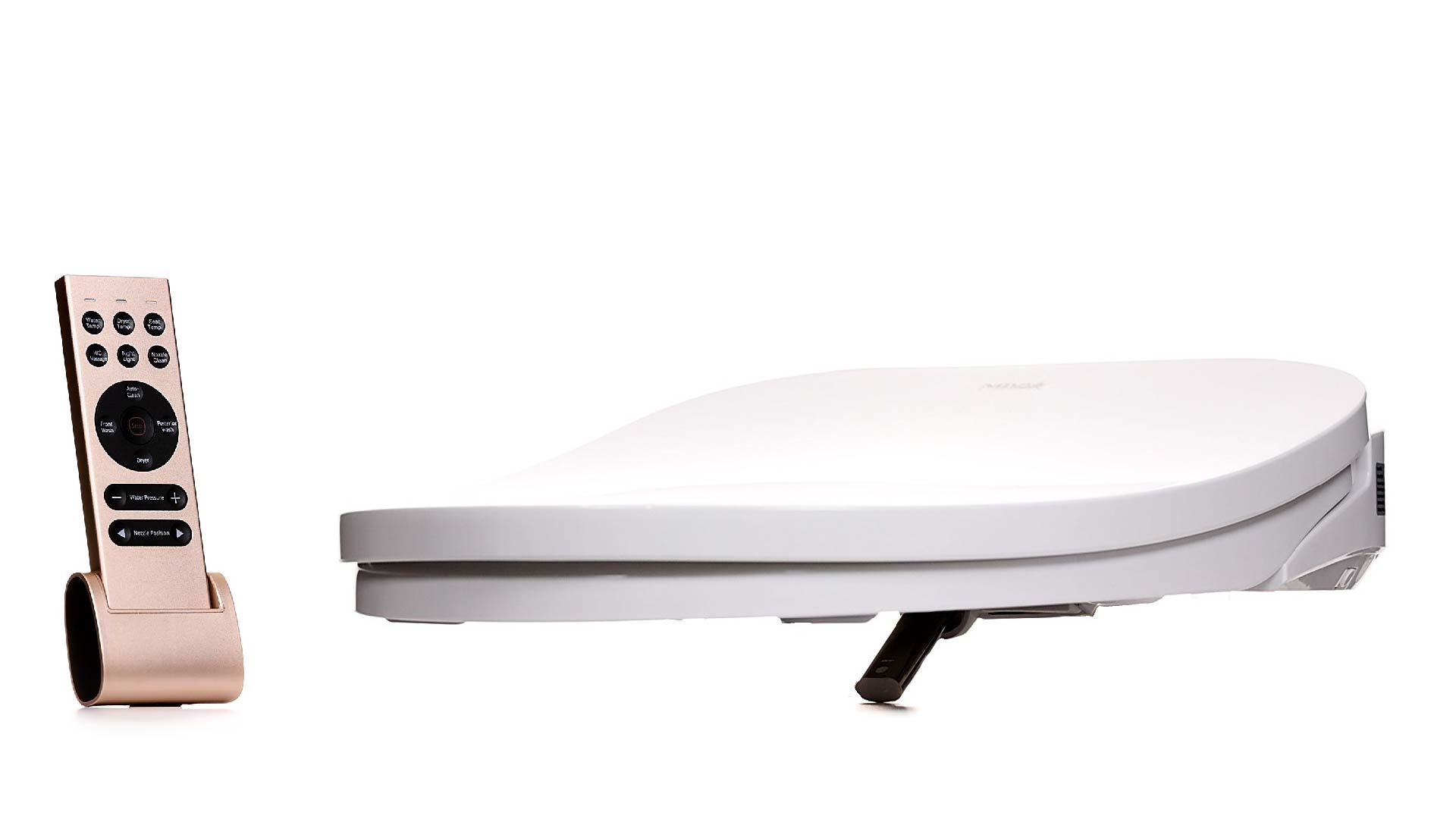
To ensure the most sanitary experience, always follow the manufacturer’s guidelines for cleaning and maintaining your bidet. Most electric bidets have a nozzle cleaning function that sends the nozzle out without spraying water. This lets you give the nozzle a good scrub with a gentle cleanser and a spare toothbrush or rag.
For top-notch safety and hygiene, “Don’t touch the tip of the nozzle to your body and follow the manufacturer’s manual,” says gastroenterologist Christine Lee, M.D. “Keeping the bidet clean and properly maintained is key.”
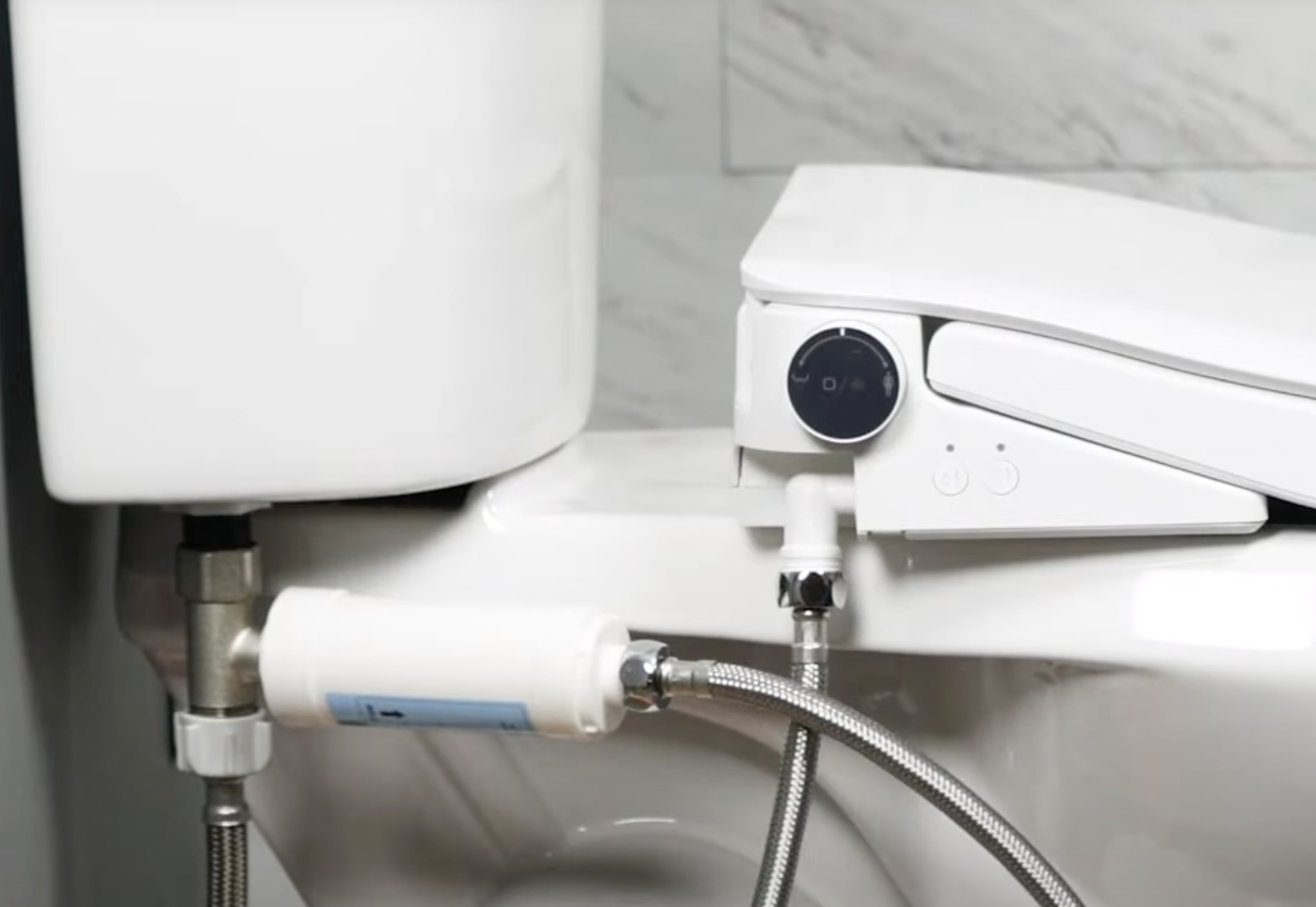
Since bidets use water from your home’s own supply, the water they use is as clean as the water in your sink or shower. But if you have well water or just want a little extra peace of mind, you can add an inline water filter. Depending on the type, they safeguard against mineral buildup or large particles, keeping you healthy and extending the life of your bidet.
Another thing to note: Some bidets have a wide temperature range that can get pretty darn warm. To prevent skin irritation, make sure you’re using a setting that’s comfortable for you.
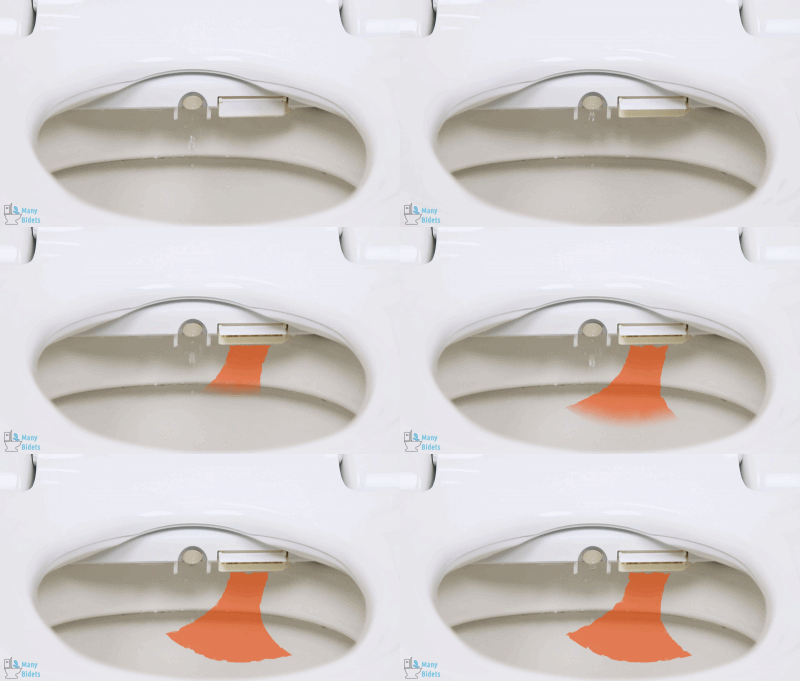
Electric bidets give you tons of freedom to build the perfect wash, with multiple nozzle positions and pressure levels. For optimum safety, make sure you’re not placing the nozzles too far forward or angling the spray at (or into) the urethra. In addition, keeping the water pressure at a level that’s effective but not overpowering will help you avoid excessive splashing and discomfort.
One big mistake bidet newbies make is not drying off thoroughly after the wash. Walking around with wet nethers can wreak havoc on your skin’s microbiome and could cause irritation or infection. Bidets with warm air dryers dry you off without you having to lift a finger, but dabbing or wiping work, too. If you do wipe, make sure you follow the “golden rule”: Always wipe front to back!
If you frequently battle UTIs, bidets may help you banish bacteria and find relief. (Pro tip: Bidets benefit your health in all kinds of ways!) We’re here to lend a hand so you can find the perfect option to fit your bathroom and lifestyle. Take our handy bidet quiz or reach out to one of our compassionate customer advocates for a personalized recommendation.
Meghan Oliver is a writer and content manager with Many Bidets. Her work has appeared in Nonprofit World magazine and on Psych Central, but she specializes in behind-the-scenes content for small businesses and nonprofit organizations. Meghan is passionate about conservation, creatures of all kinds and the Oxford comma. When she's not writing, she's probably at the barn, on a hiking trail, in her native garden bothering the pollinators(,) or curled up with a book and a cat.
Not sure where to start? Our quiz makes it easy to find the bidet of your dreams.
Get your recommendation now!
Many Bidets’ Privacy Notice
This privacy notice discloses the privacy practices for ManyBidets.com. This privacy notice applies solely to information collected by this website.
We will use your information to respond to you, regarding the reason you contacted us. We will not share your information with any third party outside of our organization, other than as necessary to fulfill your request, e.g. to ship an order.
Unless you ask us not to, we may contact you via email in the future to tell you about specials, new products or services, or changes to this privacy policy.
Your Access to and Control Over Information
You may opt out of any future contacts from us at any time. You can do the following at any time by contacting us via the email address or phone number given on our website.
Security
We take precautions to protect your information. When you submit sensitive information via the website, your information is protected both online and offline.
Wherever we collect sensitive information (such as credit card data), that information is encrypted and transmitted to us in a secure way. You can verify this by looking for a lock icon in the address bar and looking for “https” at the beginning of the address of the Web page.